Bucovina: 5 Painted Monasteries You Shouldn't Miss
A 3-day itinerary through Sucevița, Moldovița, Voroneț, Humor and Putna — with tips from people who've been five times.
Bucovina is a place of patience. Its painted monasteries — the five that form the UNESCO core inscribed in 1993 — don't want to be rushed. Each exterior fresco has hundreds of figures, each with its name, story, and place on the wall. Come for an hour and leave with nothing. Stay three days and leave with three days.
There are nine painted monasteries in Bucovina, five of which are UNESCO World Heritage. We cover those five here — in the order you'd visit them on a logical itinerary, starting from Suceava or Câmpulung Moldovenesc.
Day 1: Sucevița and Moldovița
Sucevița Monastery
Sucevița is the largest and most recent of the five — built between 1582 and 1601 by the Movilă family. It's the last one to receive exterior painting in the Moldavian tradition, and it shows: the colors are more vivid than elsewhere, still rich after 420 years. The Ladder of Virtues (south wall) is one of the most striking medieval representations of spiritual ascent — 30 rungs, each guarded by an angel or a demon.
Come early at opening (8 AM). Ticket: about €2.50. Photo permit: extra €2. English-speaking guides available — ask at the entrance.
Moldovița Monastery
35 km from Sucevița through the Ciumârna Pass (1,100 m altitude — beautiful in summer, careful in winter). Moldovița was founded by Petru Rareș in 1532. The exterior frescoes are chromatically more uniform than at Sucevița — a deep Moldovița yellow dominates. The Siege of Constantinople in 626 is painted on the south wall — you recognize it by the large-turbaned Turks, proof that the painter worked from contemporary references.
Tip: after Moldovița, drive 30 km to Vatra Moldoviței and eat at "Salaș" — traditional cuisine, reasonable prices, charcoal-grill atmosphere. Good guesthouses in Vama (10 km away).
Day 2: Voroneț and Humor
Voroneț Monastery
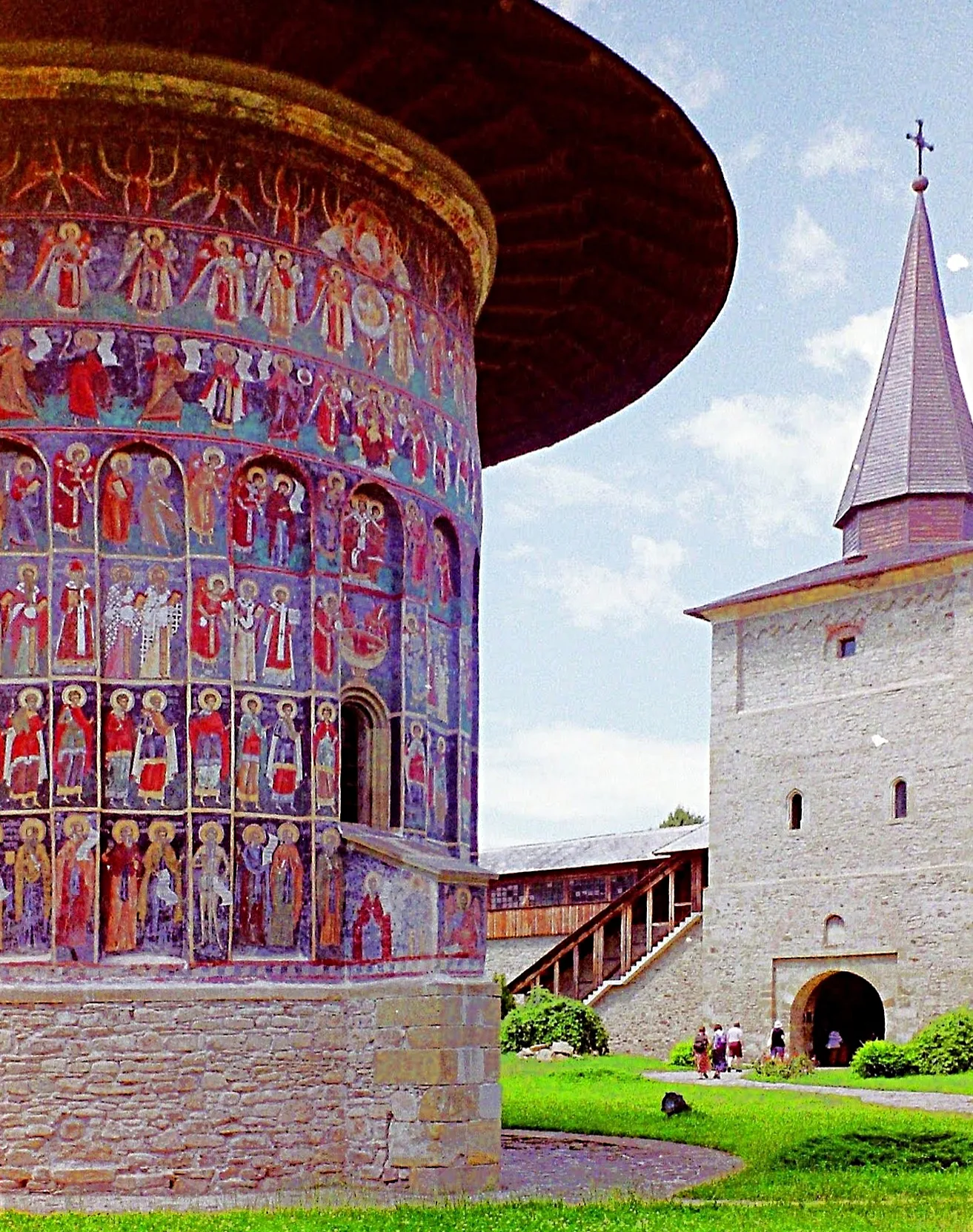
Voroneț is "the Sistine Chapel of the East" — and it's no exaggeration. Built in 1488 by Stephen the Great after the Battle of Războieni, painted on the exterior in 1547 under Petru Rareș. The famous Voroneț blue — a deep blue whose exact formula chemists are still trying to crack — dominates the western wall, where the Last Judgment is painted. Hundreds of figures, each individual. You can study one saint for whole minutes.
Come in the morning — at 11 AM the tour buses arrive. Ticket: about €3. There's a small museum at the entrance with ritual objects.
Humor Monastery
Humor is the smallest and most intimate of the five. Built in 1530 by Toader Bubuiog, Petru Rareș's chancellor. It has no bell tower, which makes it unusual — the silhouette is low, close to the ground. Frescoes dominated by Humor red — an intense brick-red — and a Last Judgment that's simpler, more popular than Voroneț's.
From Voroneț to Humor is only 7 km. You can do both the same morning.
Day 3: Putna
Putna Monastery
Putna isn't exterior-painted — and yet it may be the most important monastery in all of Bucovina. Here lies Stephen the Great. The 47 victories, the 28 monasteries he founded, the childhood of the country — all closed in his tomb, with the simple inscription: "Here rests the Orthodox and Christ-loving Io Stephen voivode, lord of the Land of Moldavia."
Come here with silence. Pilgrims whisper. On August 15, the Feast of the Dormition, Putna's patron day brings thousands — beautiful for pilgrimage, overwhelming for meditation.
Suceava to Putna is 75 km, the last 20 through old-growth forest. The road itself is worth it.
When to go
Best times: May-June (everything green, wild cherries, few tourists yet) and September-October (autumn color, cool roads, soft light for photos). Summer (July-August) brings tour buses. Winter — Bucovina under snow is magnificent, but inter-village roads can be tough, you need good tires.
Getting there
By train: to Suceava (8 hours from Bucharest). From there, rent a car or take organized tours. By car: 450 km from Bucharest on DN17, or 470 km on E85 via Bacău — the Bacău route is in better condition.
Suceava Salcea Airport has flights from Bucharest and a few European cities. 12 km from there to Suceava center.
Where to stay
For our itinerary, ideal bases are Vatra Moldoviței (between Sucevița and Voroneț) or Gura Humorului. Rustic guesthouses from €30/night, modest to elegant. Excellent local food — trout, sheep cheese, mămăligă with cheese, smoked meats.
What to combine
In the same itinerary you can also include: Probota Monastery (the sixth painted, UNESCO), Arbore Monastery (the seventh, smaller), Suceava Royal Citadel, Cacica Salt Mine, the Clay Castle in Vama, and for full days — the Călimani or Rarău Mountains.
Practical tips
- Dress code: shoulders and knees covered to enter churches. Women aren't required to wear a headscarf, but it's a respected gesture.
- Photos: allowed outside. Inside, only with an extra permit (€2-4) or banned in some churches.
- Donations: welcome, not required. Shops near the monasteries sell candles, icons, honey, and local jams — buy there if you want to support the communities.
- Language: monks speak Russian/French more readily than English. A few local tour guides speak English.
Bucovina changes you slowly. You come to see the monasteries. You leave, days later, with a different kind of quiet.
Places to see in the region
Poiana Stampei - Tinovul Mare
Tinovul Mare at Poiana Stampei is the largest sphagnum peat bog in Romania and one of the most important in C…
Vatra Dornei - Mountain Resort
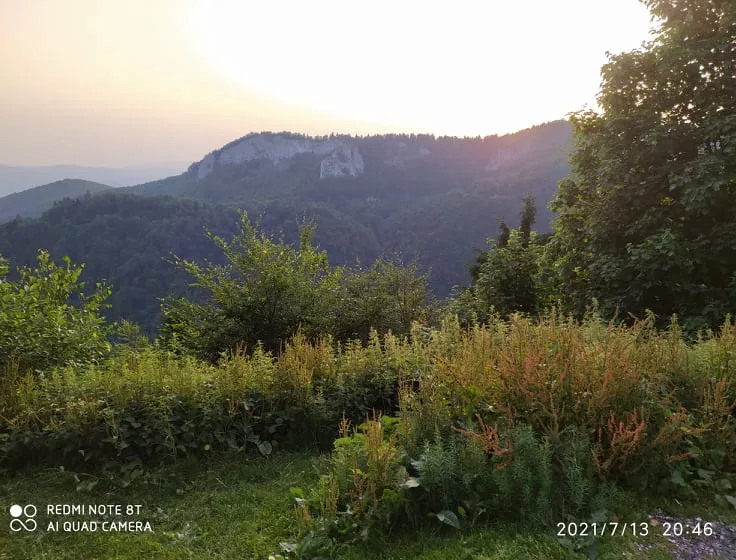
Vatra Dornei, a mountain and spa resort in the heart of Bukovina at 800 m altitude, is an ideal place for res…
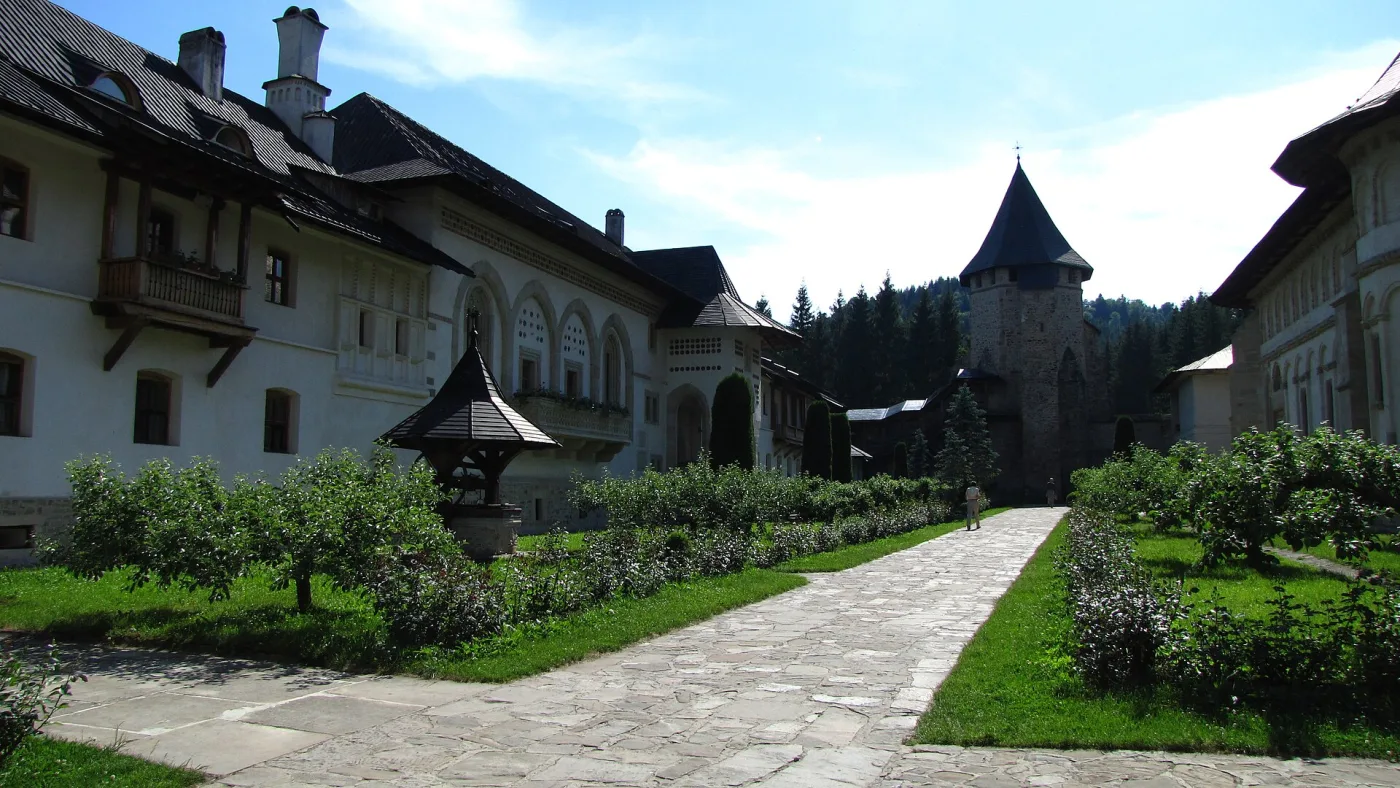
Putna - The Monastery of Ștefan cel Mare
Putna Monastery (1466-1469), the cherished foundation of Ștefan cel Mare, is the Jerusalem of the Romanian pe…
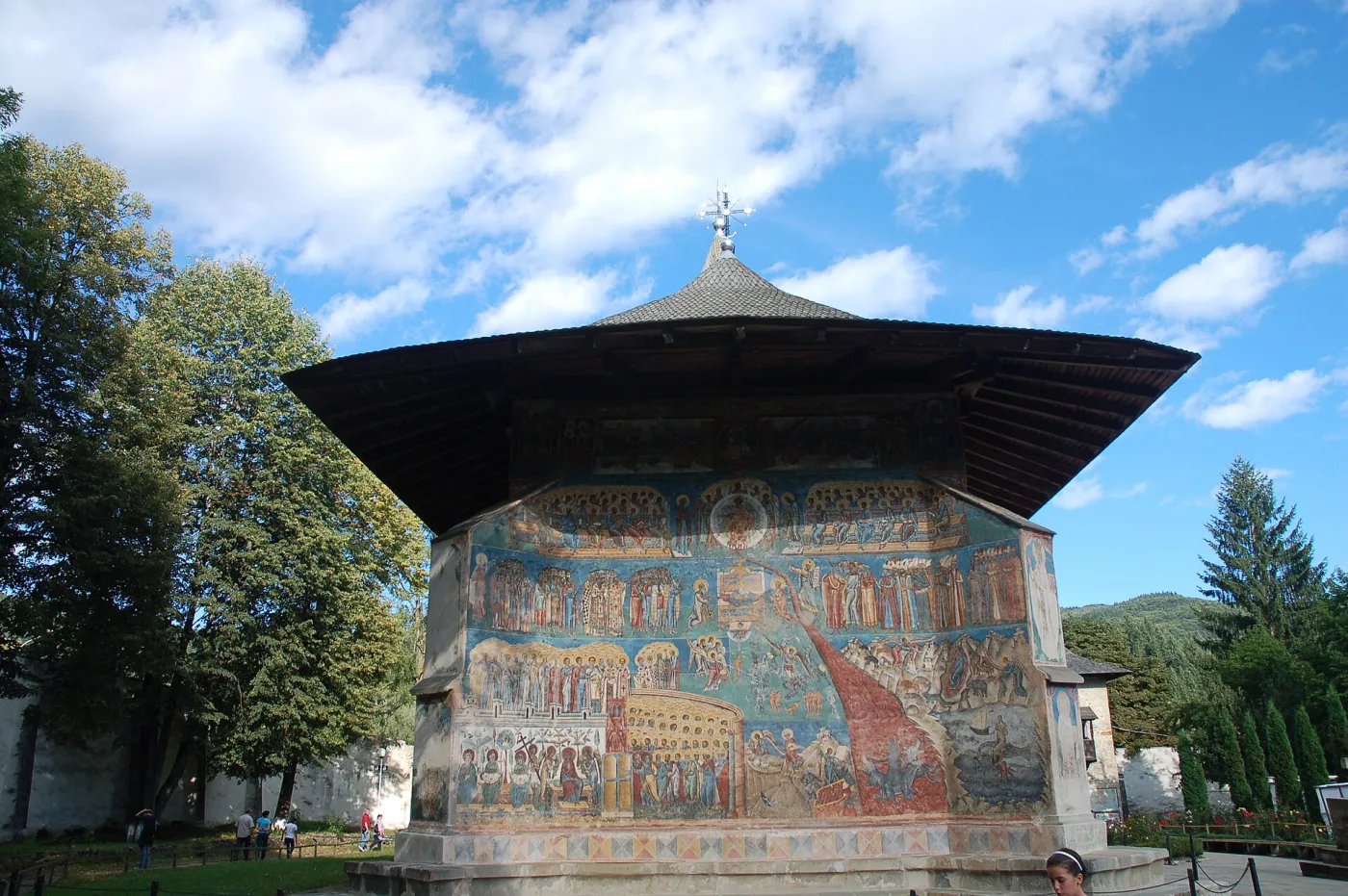
Voroneț - Voroneț Blue
Voroneț Monastery (1488), nicknamed the Sistine Chapel of the East, is listed by UNESCO. The famous Voroneț b…
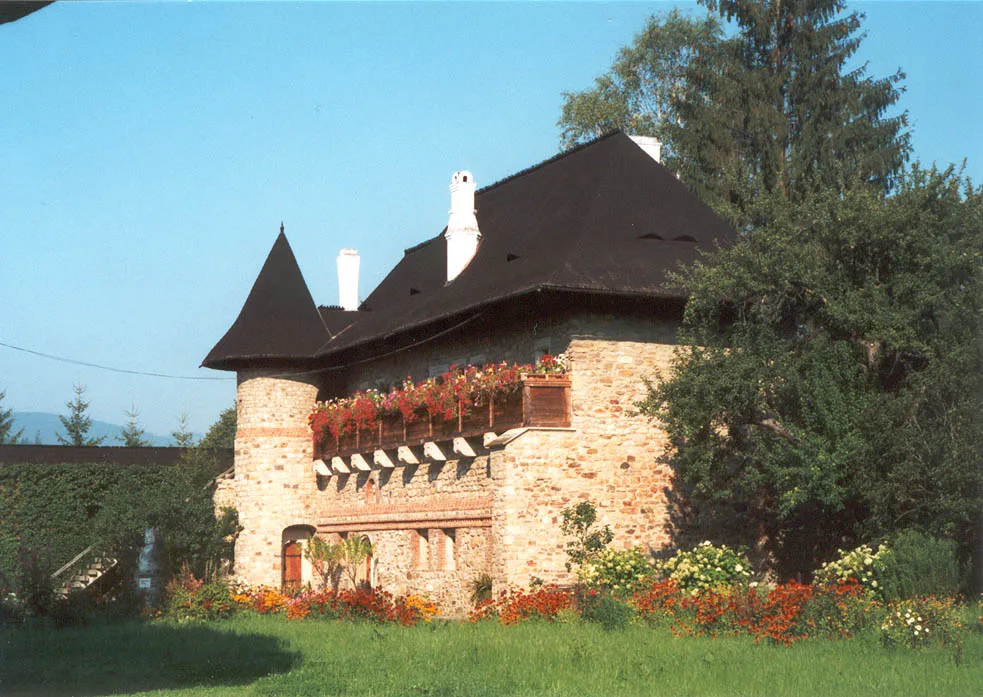
Moldovița - Monastery Founded by Rareș
Moldovița Monastery (1532), founded by Petru Rareș and listed by UNESCO, holds monumental murals of the Siege…
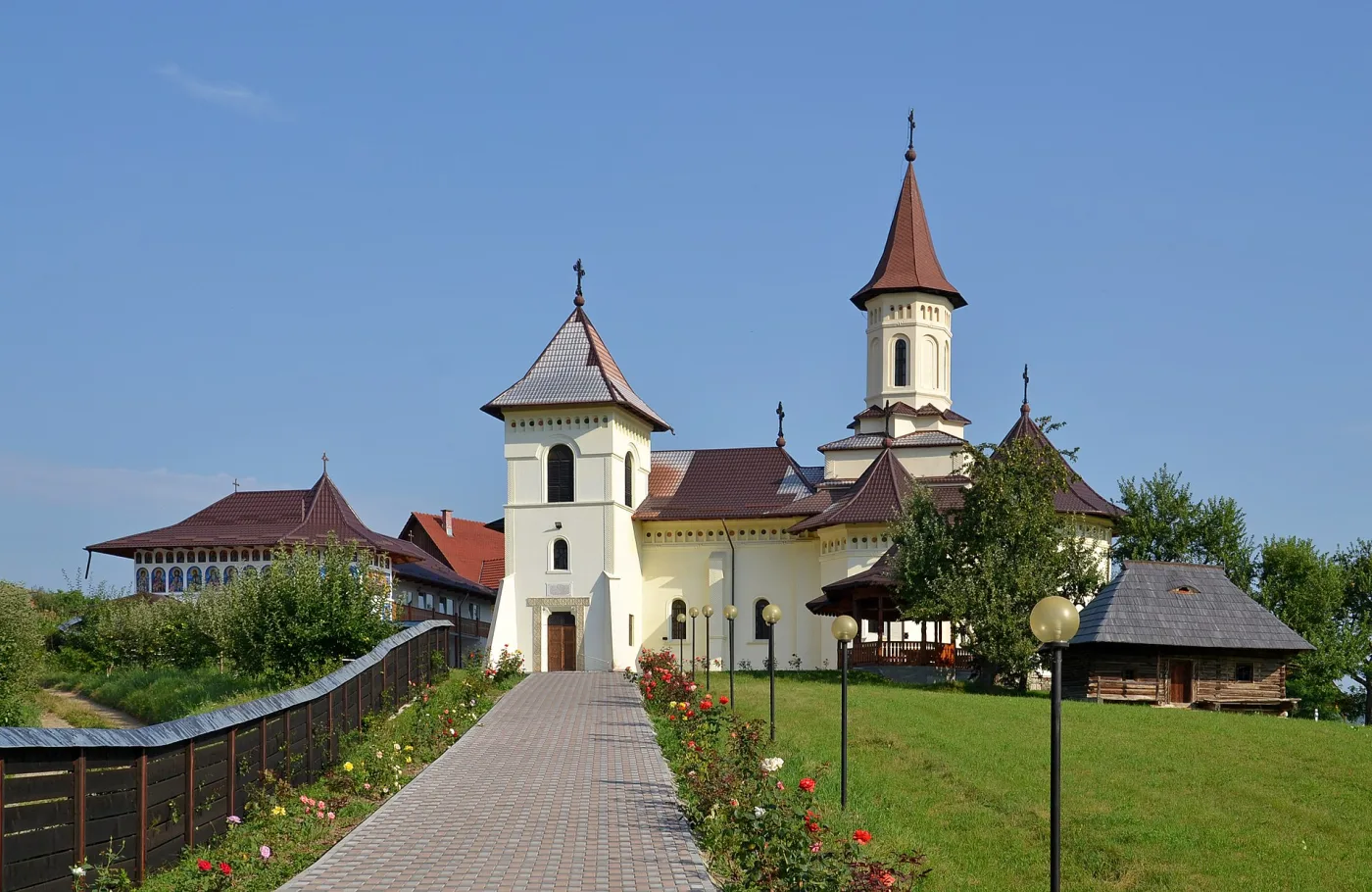
Humor - Humor Monastery
Humor Monastery (1530), included in the UNESCO heritage, is remarkable for the dominant brick-red of its exte…