Authentic Maramureș: Villages, Wooden Churches, the Merry Cemetery
A 4-day guide through historic Maramureș — Săpânța, Bârsana, Vișeu, Botiza. Village by village, what to see, where to stay.
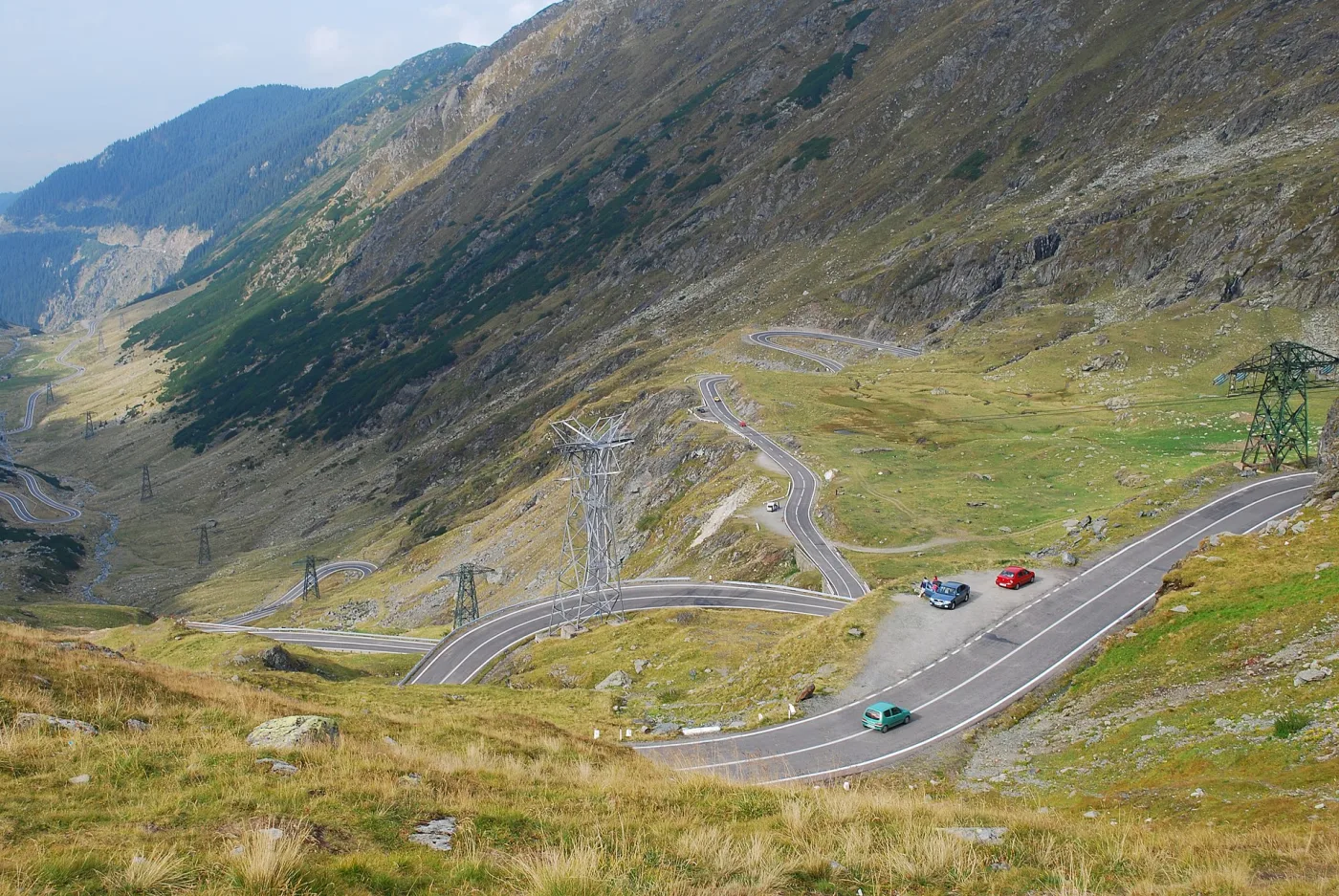
Maramureș isn't found on a motorway. Its roads wind between the Gutâi Mountains and the Tisa, villages still have carved oak gates with solar symbols, wooden churches with 50-meter spires, people still working the land with horse carts. UNESCO recognized eight Maramureș wooden churches in 1999. And the Merry Cemetery — unique in the world — is the symbol of a culture that learned to laugh at death.
This 4-day guide takes you through the essential villages. Village by village, what to see, where to stay, what to eat, what to avoid.
Day 1: Sighetu Marmației + Săpânța
Sighetu Marmației
Starting point. Old town (attested since 1326), near the Ukrainian border. Visit the Memorial to the Victims of Communism (the former 1948-1955 political prison) — one of Romania's hardest and most necessary museums. 2-3 hours minimum.
The Merry Cemetery in Săpânța
20 km from Sighet. Crosses painted in Săpânța blue, each with a scene from the deceased's life and a humorous poem. Invented in 1935 by Stan Ion Pătraș, continued after 1977 by his apprentice Dumitru Pop Tincu. Today 1,300+ crosses. Come at 8 AM — in summer, afternoons bring tour buses.
1.5 km away is the Săpânța-Peri Monastery — the tallest wooden church in the world (78 m).
Sleep in Săpânța or return to Sighet. Rustic guesthouses €25-40/night.
Day 2: The Iza Valley — Bârsana, Botiza, Ieud
Bârsana
One of the most beautiful wooden monasteries — a complex of 12 wooden buildings, built from 1993 onwards in traditional Maramureș style. The courtyard is impressively maintained, the atmosphere serene. Free entry.
The Wooden Church of Ieud — Deal
One of the 8 UNESCO ones. Built in 1717. Houses the "Codex of Ieud" — a 16th-century religious manuscript, one of the oldest documents in the Romanian language.
Botiza
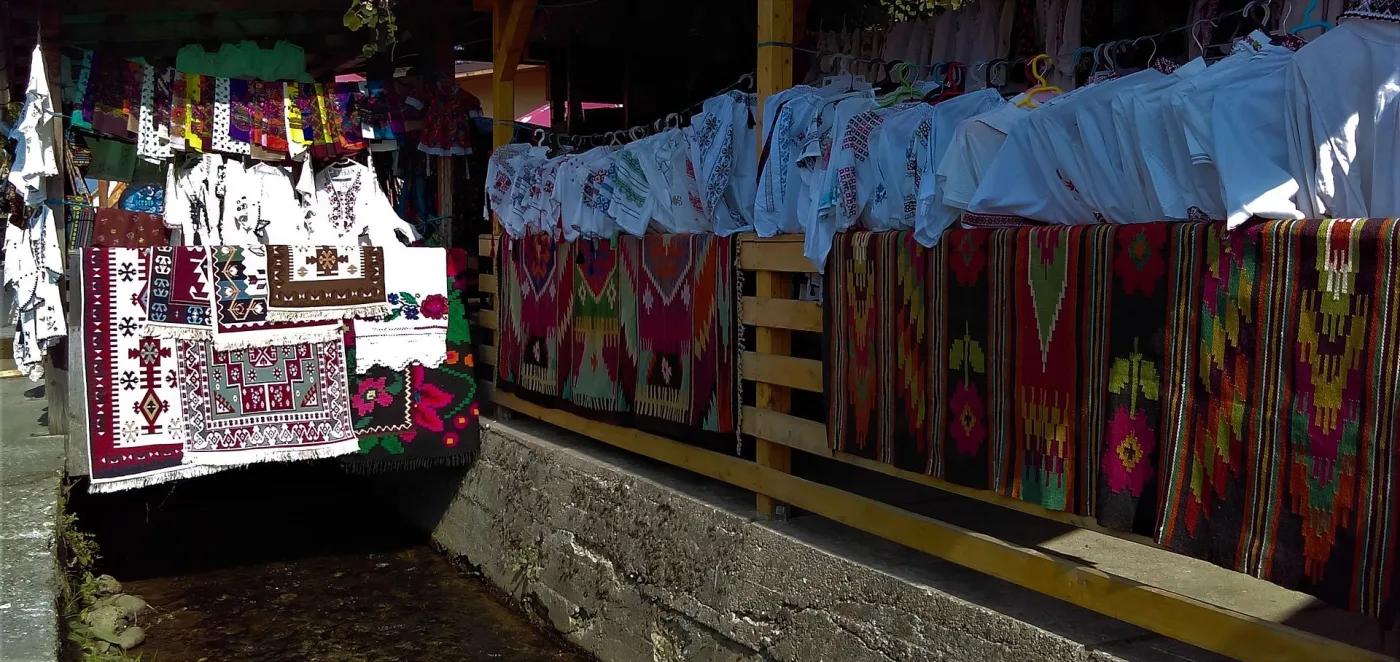
Village known for traditional carpet weaving. Authentic guesthouses, Maramureș cuisine. Many hikes in the Țibleș Mountains start from here.
Day 3: The Vișeu Valley — Vișeu de Sus, the Mocănița
The Mocănița on the Vaser Valley
Steam-locomotive forest train (Romania's only one still in commercial operation). Departs from Vișeu de Sus, runs 21 km through old-growth forest along the Vaser Valley, up to Paltin. Full trip 5-6 hours (round trip with a forest meal). Ticket: about €50-70 adult. Book online a week ahead — summer sells out.
Borșa
On the way to Borșa, stop at Horses' Waterfall (Romania's tallest natural waterfall, 90 m). 1.5-hour hike round trip, moderate climb.
Day 4: Southward — the Lăpuș Country
The Wooden Church of Rogoz
Also UNESCO. Built in 1663. Considered one of the best-preserved. Interior frescoes in folk Maramureș style.
Surdești
The Wooden Church of Surdești — UNESCO, 54 m tall, built in 1721. The tallest wooden church in Europe at the time of construction.
From here you can head toward Cluj-Napoca (130 km, 2h30) or Baia Mare (45 km, 1h).
When to go
Best times: May-June (everything in bloom, green forests) or September-October (autumn colors, incredible landscapes). Summer (July-August) brings crowds and heat. Winter — Maramureș under snow is magnificent, but inter-village roads are tough.
Getting there
By car: 600 km from Bucharest (8 hours) via Brașov-Cluj-Baia Mare. 450 km from Cluj-Napoca. Inner roads are narrow, winding — plan generous time.
Airports: Baia Mare (small, few flights) or Cluj-Napoca (better, 2h by car).
Stays and food
Rustic guesthouses: €30-60/night. A few recommended: Casa Iurca (Sighet), Pensiunea Plopiș (Săpânța), Pensiunea Berbecu (Botiza). Excellent local food everywhere — stuffed vine leaves, potato pies, sheep cheese, mountain smoked meats, plum brandy.
What to avoid
- Inner roads in rain — dirt and stones, low cars struggle.
- Photographing people without asking. People are open here, but respect matters.
- Refusing plum brandy at the table if they offer it. It's part of the hospitality. Sip at least.
- Visiting churches inappropriately dressed (shoulders and knees uncovered).
- Buying suspicious "antiques" — many traditional objects have historical value and are protected by law.
Maramureș is the last authentic Romania. Come early — it's changing fast.
Places to see in the region
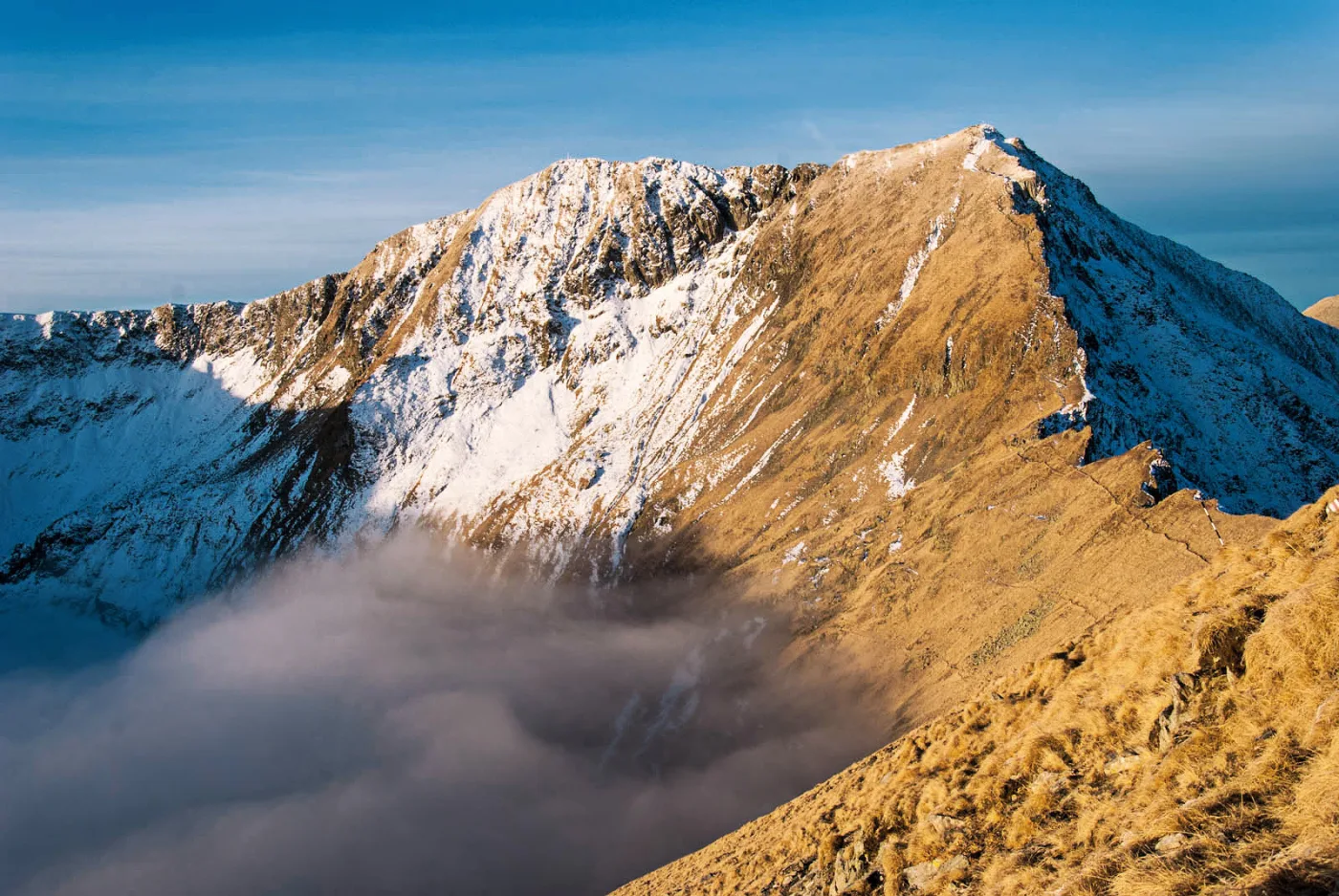
Pietrosu Rodnei - Peak
Pietrosul Rodnei (2,303 m), the highest peak in the Eastern Carpathians and in the Rodna Mountains, is part o…
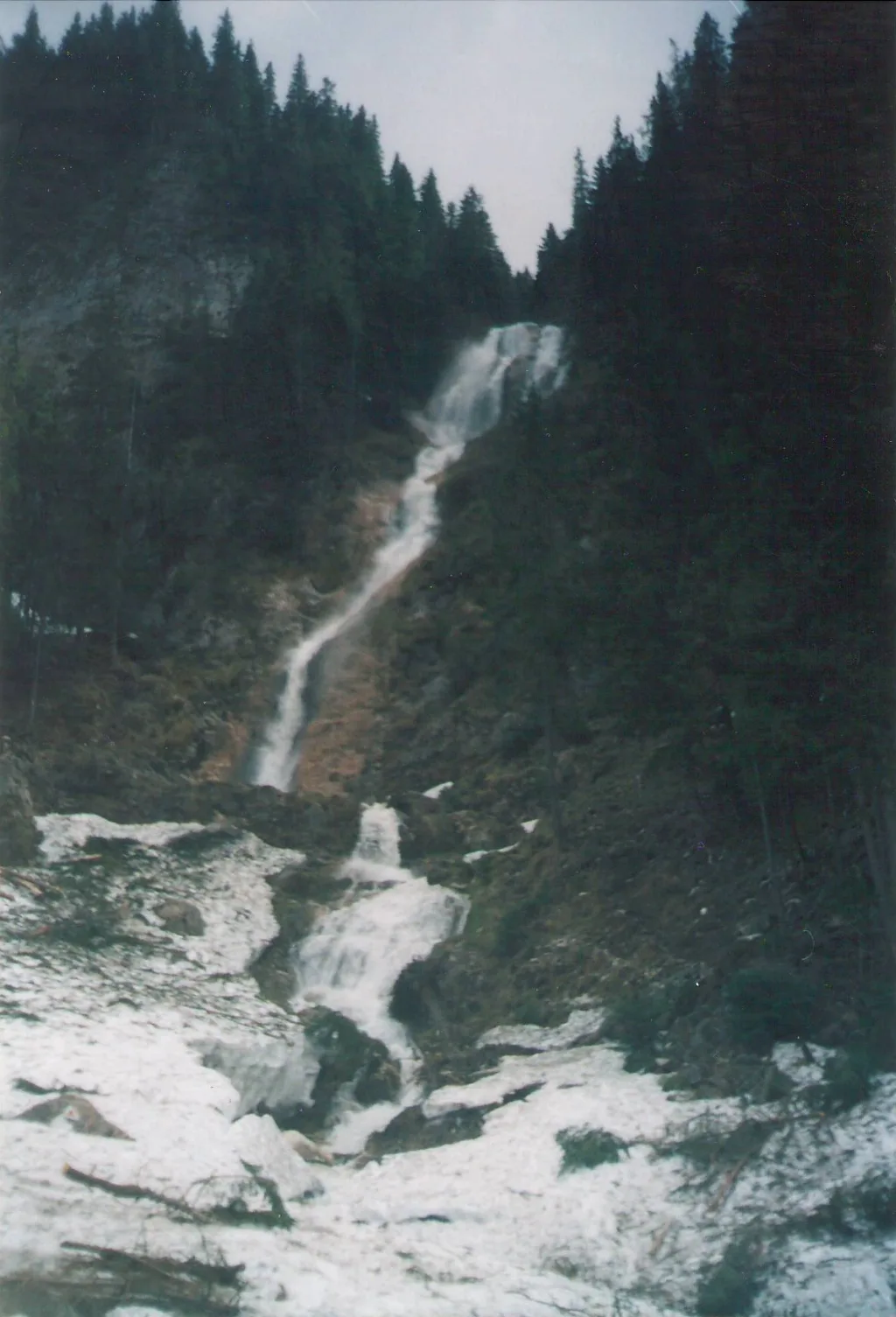
Borșa - Cailor Waterfall
Cailor Waterfall (Horses' Waterfall, 90 m), the tallest accessible waterfall in Romania, lies at the foot of …
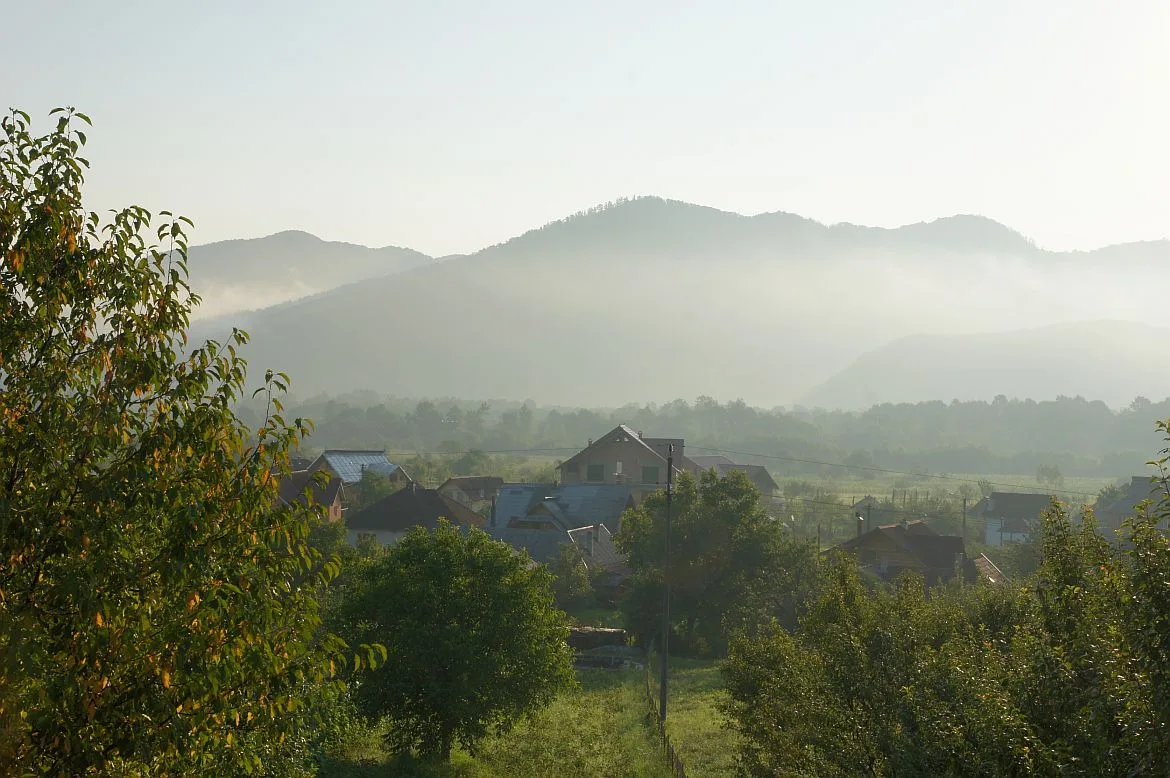
Vadu Izei - Agritourism Village
Vadu Izei is the best-known agritourism village in Maramureș, with traditional guesthouses, authentic food an…
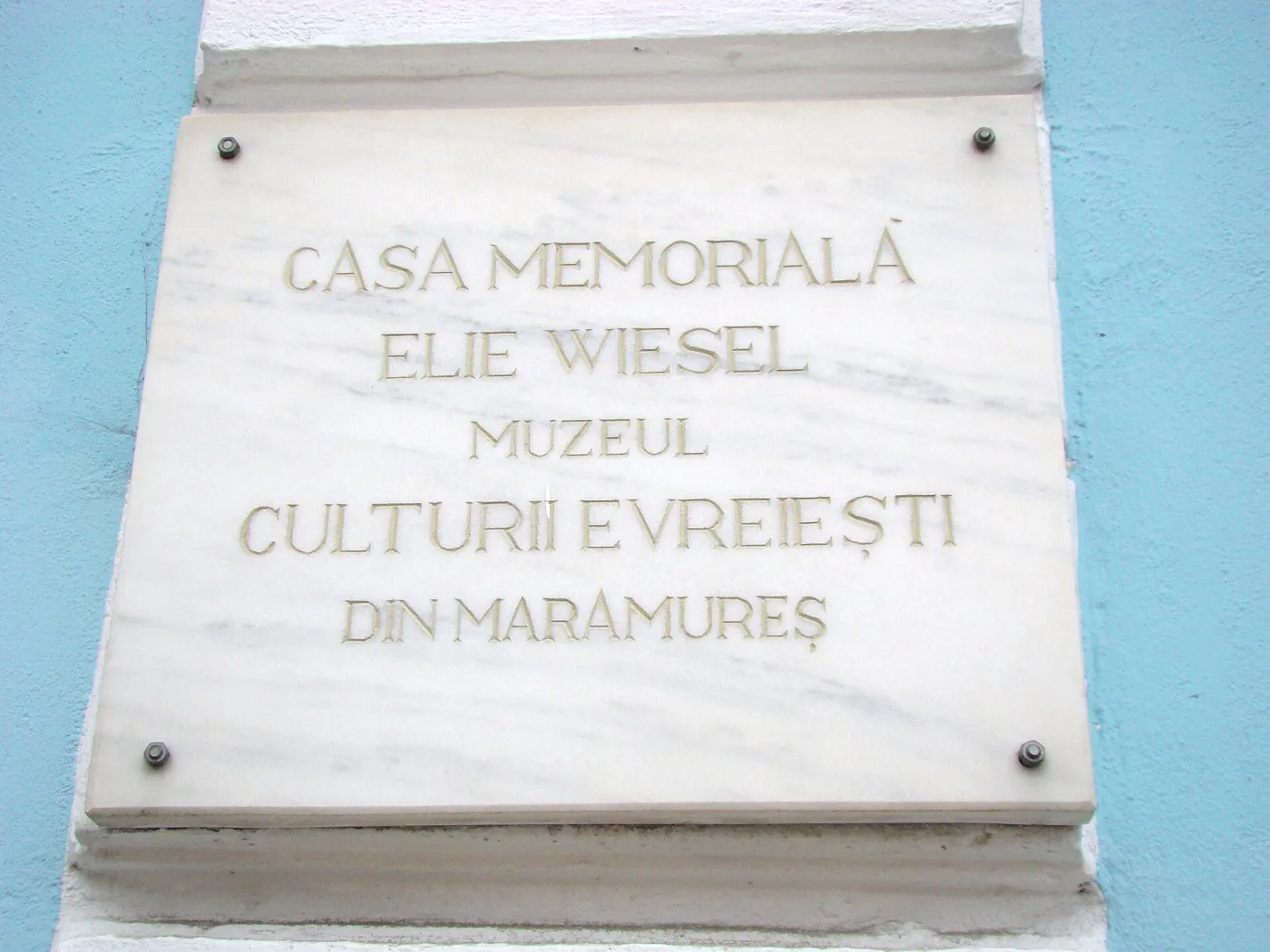
Sighetu Marmației - Elie Wiesel House
The birthplace of Elie Wiesel, Nobel Peace Prize laureate (1986) and Holocaust survivor, is an impressive mem…
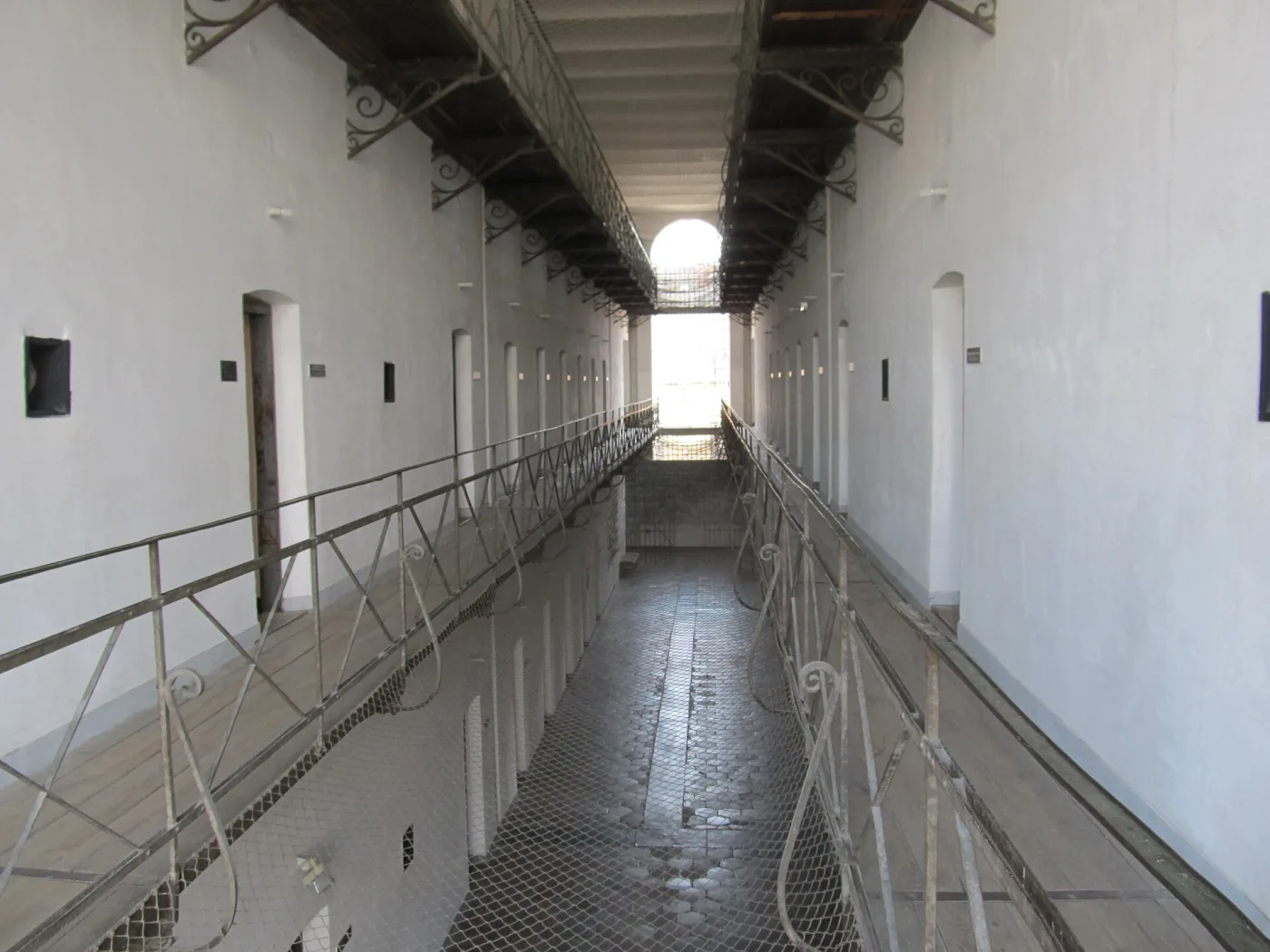
Sighetu Marmației - Memorial to the Victims
The Memorial to the Victims of Communism and of the Resistance in Sighetu Marmației, set up in the former pol…
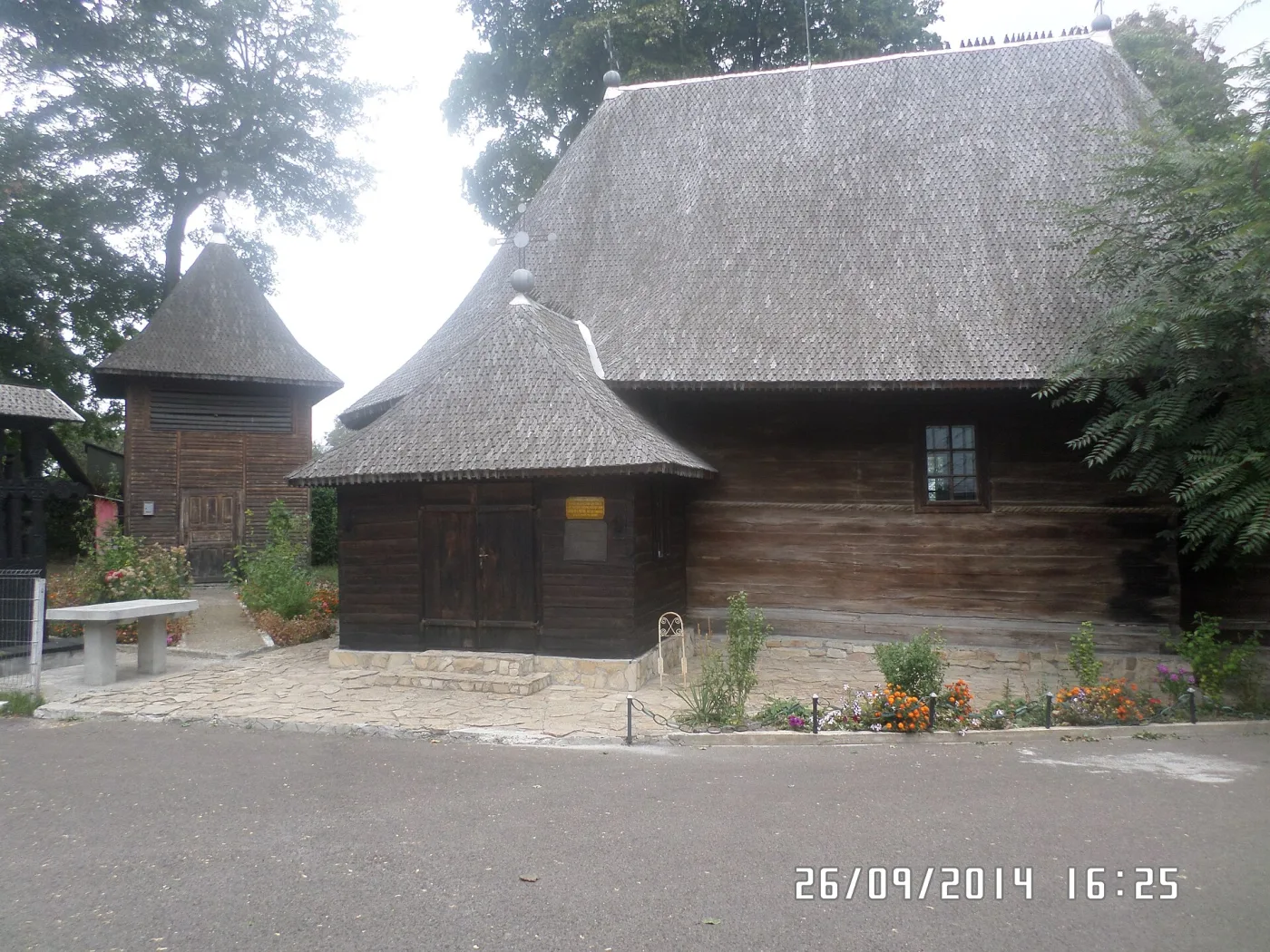
Ieud - The Oldest Wooden Church
The wooden church of Ieud Deal (1364) is the oldest wooden church in Romania and part of the UNESCO heritage.…